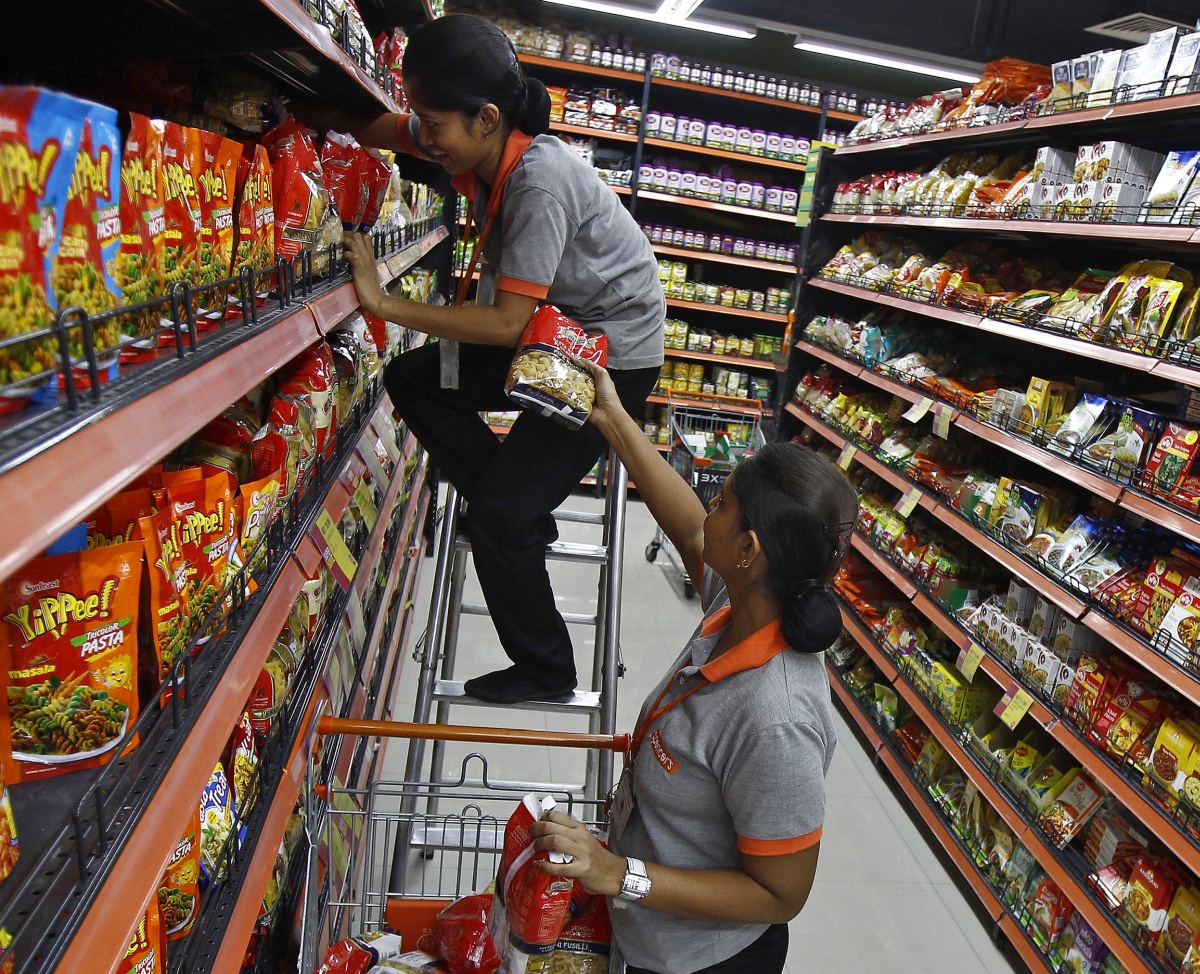
However, rural demand continued to remain a concern for FMCG companies during the quarter.

Government-owned companies are more generous in rewarding their shareholders with dividends.

The benchmark Sensex companies' underlying earnings per share are down 3 per cent (on a cumulative basis) since January 2015, against 25 per cent rise in the index value during the period

As inflation rate is near the upper limit of the comfort zone, experts rule out rate cuts anytime soon

Combined debt-equity ratio of top companies declines but interest expenses outgrow profits.

Previous peak in 2010 crossed in first five-and-a-half months this year.

Lower IT exports will raise India's dependence on capital flows to fund imports.

The internals of the food inflation are worrying, given a broad-based uptick across categories that tend to be sticky, such as proteins, and a narrower-than-expected reduction in inflation for vegetables.

Wiping off nearly Rs 4 lakh crore of investors' wealth during the day, benchmark Sensex crashed on Friday.
Corporate indebtedness is now twice what it was before the global financial crisis; banks' bad loans ratio is 3.5 times higher.

NTPC to be the worst hit, stock slides to five-year low on announcement.

HUL, ITC, Nestle, Colgate, Dabur, Britannia, Asian Paints, P&G are trading at nearly 48 times. The previous record high was 53 times at the end of March 1994.

The Hinduja Group, Mukesh Ambani, Murugappa, and the Adani groups were the other gainers in the Modi regime, while Naveen Jindal and Sun Pharma groups saw the most erosion in their m-cap in the last five years, reports Krishna Kant.

Promoters' holding in private sector BSE 500 companies declined to 43.4% in Sept
Analysts say traders have been building long positions on expectations the BJP would sail through in the five Assembly elections

The index is more expensive than it was at 2014-end or when it hit a life-time high in January.

Though Indian banks don't have large exposure to subprime mortgages, analysts are worried at the rise in their restructured loan portfolios and deterioration in credit quality.

If financials and oil sectors were removed, India Inc has done quite well.

Infosys was the top gainer in the Sensex pack, rallying around 7 per cent, followed by TCS, IndusInd Bank, ONGC, HDFC Bank and HCL Tech. On the other hand, ITC, Bajaj Finance, Kotak Bank and Sun Pharma finished in the red.

While gold returned 12 per cent annual gain in 10 years, Nifty didn't exceed 9 per cent.

There, however, has been an improvement in operating margins.

Investors turn their attention to export-driven sectors.

The combined share of customs and excise duties, service tax, and value-added tax in India's gross domestic product reached an all-time high of 10.5%.

Most NBFCs will have to slow down their loan growth. Some of the most leveraged will have to sell a part of their assets (or loan book) to banks to raise incremental capital. Others may have to knock on the door of their deep-pocketed parents.

The road ahead for the markets in the short term will depend on external factors rather than domestic developments.
Experts say it will now be tough for the Modi government to catch up with the UPA's economic record owing to the shock induced by the currency demonetisation.

For non-banks, the IL&FS crisis was nothing short of India's Lehman moment, which has for a foreseeable future reset the sector on multiple grounds.
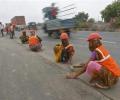
The number of infrastructure projects cleared by a monitoring group set up in the Cabinet Secretariat had increased consistently in the past year.

Its rich valuation with a PE of 62 times raises downside risk for investors


According to Rahul Rege, business head (retail) at Emkay Global Financial Services, it is difficult to track more than 10 stocks.
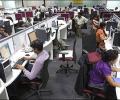
In five years, per-employee revenue for IT companies grew at 9 per cent each year.
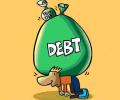
In the past three years, personal loans have grown at twice the rate of growth in personal disposable income, leading to a steady rise in household indebtedness. At the end of March this year, Indians owed Rs 25.2 lakh crore to banks and listed non-banking finance companies (NBFCs), up 65 per cent in the past three years.

Brokerages expect revenue growth at a 7-quarter high but profitability may disappoint.
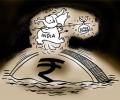
FIIs have offloaded stocks worth Rs 13,110 crore

This weakness is likely to continue in the near-term.
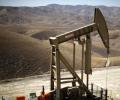
Higher crude oil prices also translate into better corporate earnings for India's top companies

Analysts refuse to read too much into the early birds numbers.

Operational income not covering even their interest expenses, finds study; analysts say if economy turns around, new equity issuances an option

Mid- and small-cap companies seem to have done better than top-tier companies
